Why Is Motor Housing Important for Electric Motors?
An electric motor may look like a simple assembly of metal, wires, and a rotating shaft. Its Motor Housing does far more than make the unit look finished. It supports key components, helps maintain alignment, and shields internal parts from dust, accidental contact, and some environmental exposure. In many designs, it also provides a path for heat to move away from the motor. That matters. A motor operating in a warm workshop or near airborne debris faces different demands from one installed in a clean, climate-controlled room.
The right housing can help a motor run reliably, but it cannot solve every problem. Cooling also depends on airflow, load, installation, and maintenance. A thick metal enclosure may offer strength, yet its weight and heat behavior may not suit every application. Small details count. Mounting surfaces, ventilation openings, material choice, and protective ratings should match the motor’s operating conditions. Buyers and technicians should check the manufacturer’s specifications rather than judge a housing by appearance alone. That step is easy to overlook. Understanding these trade-offs explains why motor housing design matters to performance, safety, and service life—and why the best choice depends on where and how the motor will work.
What Is an Electric Motor Housing?
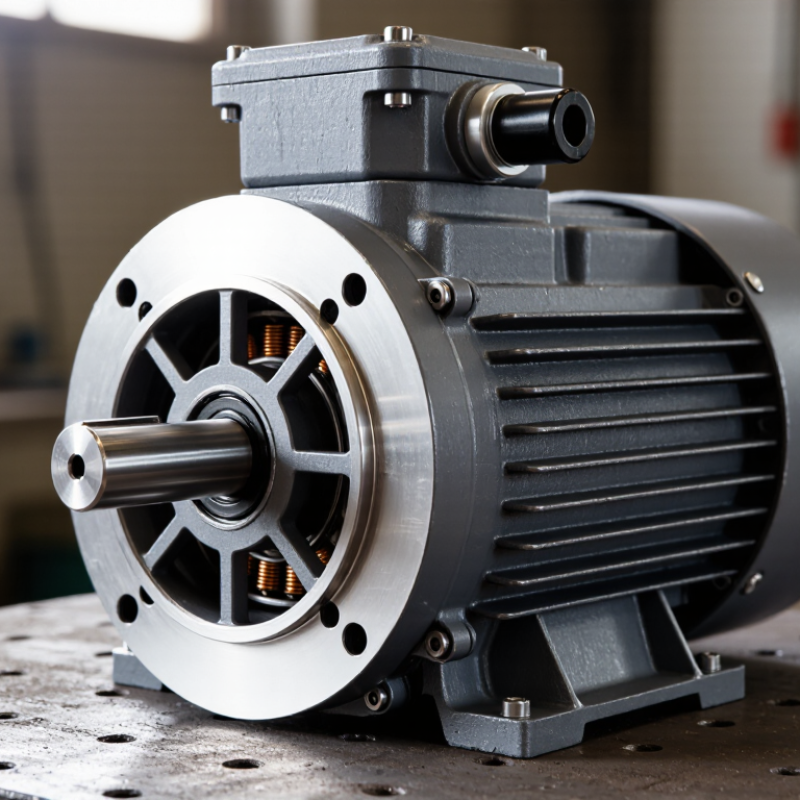
An electric motor housing is the outer structure that surrounds and supports a motor’s internal parts. Inside are components such as the stator, rotor, and bearings. The housing helps keep these parts aligned and shields them from dust, moisture, accidental contact, and impact. Not just a shell. Its shape also affects how the motor mounts to a machine and how heat leaves the assembly.
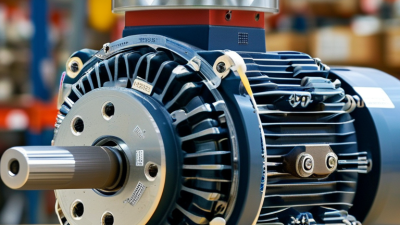
Housing designs vary with the motor’s job and environment. Aluminum housings are relatively light and can transfer heat effectively. Cast iron is heavier, but it can provide rigidity and help damp vibration. Some designs include cooling fins; others use smooth walls or a separate fan. The right choice depends on operating temperature, mounting loads, exposure, and maintenance needs. Material alone does not determine performance.
The housing may also help limit access to moving or energized components, but it is not a substitute for suitable electrical protection. Seals, cable entries, and joints matter, too. A poorly fitted cover can let contaminants enter even when the main body is sturdy. In practice, the housing is easy to overlook until a motor runs hot, vibrates, or sits in a wet, dusty location. Inspecting cracks, loose fasteners, blocked cooling passages, and damaged seals can reveal problems early. Details count.
Why Is Motor Housing Important for Electric Motors?
A motor housing protects internal components, supports the motor structure, and helps transfer heat away from the stator. Material thermal conductivity affects heat transfer: higher values indicate that heat can travel through the material more readily.
Approximate thermal conductivity near room temperature (W/m·K). Values are representative examples; actual conductivity varies by material grade and operating temperature. Housing material is only one factor in motor cooling.
How the Housing Supports and Protects Motor Components
A motor housing does more than give an electric motor its shape. It holds the stator, bearings, and end covers in position, helping preserve the narrow air gap around the rotor. That alignment matters. If the frame flexes under load, vibration and uneven wear can increase. Mounting points also transfer forces from belts, couplings, and attached equipment to the machine base.
Protection depends on the design, not simply the thickness of the metal. An enclosure can limit dust, splashes, and accidental contact with moving parts. Seals and cable entries help close vulnerable gaps. No housing is completely protective. Its suitability depends on the environment and the motor’s enclosure rating. A dusty workshop and an outdoor washdown area place very different demands on seals, drainage, and corrosion resistance.
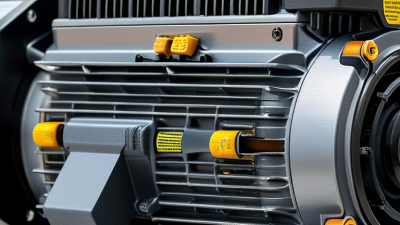
The housing also affects heat management. Fins increase the surface area that releases heat, while ventilation openings support airflow in designs intended for it. Blocking these paths with debris or poor installation can raise operating temperatures and shorten insulation life. It is tempting to treat the housing as a passive shell, but that assumption can hide problems. A sturdy frame may still trap heat when cooling paths are overlooked. Small installation details matter.
How Housing Design Affects Heat, Noise, and Vibration
A motor housing does more than protect internal parts. Its shape guides cooling air, supports the stator, and helps control vibration. Deep external fins increase the surface area available to release heat. But blocked airflow, dust between fins, or a fan placed too close to a wall can undermine that benefit. Small details matter. The U.S. Department of Energy’s Improving Motor and Drive System Performance sourcebook estimates that motor-driven systems use about 69% of U.S. industrial electricity. Efficient heat removal helps motors operate reliably in this energy-intensive setting.
Housing material and stiffness also affect sound and vibration. A thin or poorly supported wall can flex and amplify motor noise, much like a panel that buzzes when a machine runs. A rigid design can reduce that response, though mounting and foundation conditions matter too. IEC 60034-9 sets airborne noise test requirements for rotating electrical machines, while ISO 20816 provides guidance for evaluating machine vibration. These standards offer useful reference points; they do not make housing design a one-size-fits-all choice.
In practice, check operating temperature, airflow clearance, mounting rigidity, and the motor’s specified noise and vibration limits together. A heavier enclosure may damp some vibration, yet it can also restrict cooling if its geometry traps warm air. That trade-off is easy to miss. Engineers sometimes focus on the motor’s rated output and leave the installation environment as an afterthought. It deserves a closer look.
How the Housing Contributes to Motor Safety and Reliability
A motor housing is the motor’s first physical barrier between moving parts and the surrounding workplace. It helps prevent accidental contact with the rotor, fan, and electrical components. The housing also supports the stator and keeps key parts aligned under vibration. Small shifts matter. Over time, loose mounts or cracked joints can increase noise, wear, and failure risk.
The enclosure can also help manage heat and protect internal parts from dust, moisture, or impact. Its actual protection depends on its design, seals, material, and ventilation—not appearance alone. A blocked cooling opening may raise operating temperatures, while a damaged seal can let contaminants reach the windings. Hot surfaces deserve attention, too, especially where people work nearby. Proper bonding and installation matter for electrical safety; the housing alone does not guarantee protection.
In maintenance, look for corrosion, dents, loose fasteners, worn seals, and unusual heat near vents. A sturdy shell can still hide a problem inside. That is easy to overlook. Housing choice also involves trade-offs: a thicker enclosure may resist impact but add weight or restrict cooling if poorly designed. Conditions vary, so inspections should reflect the motor’s environment and duty cycle. A quick visual check helps, but it cannot replace appropriate testing or repair by qualified personnel.
Why Is Motor Housing Important for Electric Motors? — How the Housing Contributes to Motor Safety and Reliability
| Housing Function or Design Factor |
Contribution to Safety and Reliability |
Practical Design or Inspection Point |
| Mechanical protection |
The housing supports and shields internal motor components from accidental contact and some external impacts. |
Check for cracks, deformation, loose fasteners, and damage around mounting points. |
| Access to hazardous parts |
A suitable enclosure helps prevent unintended access to moving or electrically hazardous parts. The level of protection depends on the complete enclosure and its openings. |
Use guards and covers as designed; do not operate a motor with required covers removed. |
| Dust and water exposure |
Enclosure design can limit the entry of dust or water, helping protect insulation and internal components in the intended environment. |
Select an enclosure protection rating suited to the application. The rating applies to the tested assembly, including openings and cable entries. |
| Heat transfer |
The housing can transfer heat from internal parts to the surrounding air. Cooling features and airflow influence how effectively heat is removed. |
Keep cooling fins and ventilation paths clear, and operate within the motor’s specified temperature and duty limits. |
| Structural alignment |
A rigid housing and accurate bearing supports help maintain the intended relationship between the rotor and stator. |
Inspect the mounting surface and bearing areas for damage; align the motor with the driven equipment during installation. |
| Grounding and bonding |
For motors with conductive housings, an appropriate protective-earth connection provides a path for fault current as part of the electrical safety system. |
Follow the motor’s wiring instructions and applicable electrical codes; verify grounding connections during installation and maintenance. |
| Material selection |
Cast iron, aluminum, and fabricated steel are commonly used housing materials. Their strength, mass, corrosion behavior, and heat-transfer characteristics differ. |
Choose a material and finish appropriate to mechanical loads, ambient conditions, corrosion exposure, and cooling requirements. |
| Maintenance and service life |
A sound, properly maintained housing helps preserve protection and support for internal components over the motor’s service life. |
Clean the exterior as recommended and investigate unusual vibration, overheating, corrosion, or water ingress promptly. |
Note: Housing protection depends on the complete motor design, installation, and maintenance; the housing alone does not determine the motor’s safety or ingress-protection rating.
How Materials and Design Suit Different Operating Conditions
A motor housing must match the conditions around the motor, not just its size. In a clean, dry workshop, a lightweight aluminum housing can help shed heat and keep overall weight low. Its cooling fins need clear airflow; dust packed between them can reduce heat transfer. Small details matter. For damp or corrosive settings, material choice and surface protection become more important. Steel can offer strength, but untreated steel may rust when moisture lingers. No material is ideal in every environment.
Design shapes performance, too. A sealed housing can limit the entry of water and dust, but it may also trap heat if cooling is poorly planned. Vents improve airflow, yet they may expose internal parts to debris. That trade-off deserves attention. A housing used near vibration or frequent impacts may need thicker walls and secure mounting points to protect alignment. For hot locations, engineers should consider both the motor’s operating temperature and the housing’s ability to release heat. Ratings and test conditions help guide selection, though real installations can differ. Even careful specifications cannot replace checking airflow, mounting, and exposure at the actual site.