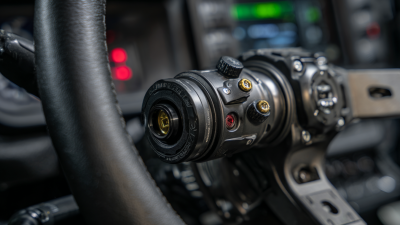
Why Choose a PSC Steering Box for Duramax?
Choosing a PSC steering box for a Duramax starts with a practical question: how does the truck behave under load? Large tires, added weight, and rough trails can expose weak steering response. A quality upgrade can improve hydraulic control, reduce wandering, and give the driver a steadier feel through uneven terrain. The result should not feel dramatic or artificial. It should feel predictable.
John Kennedy, a respected Duramax specialist, offers a useful reminder: “Power is only valuable when the driver can control it.” That principle explains the appeal of a psc steering box duramax upgrade. PSC units are designed for demanding applications, including lifted trucks, heavier wheels, and vehicles using hydraulic assist systems. Their construction can provide greater durability than a tired factory box. Fit matters.
A correct installation requires more than ordering the strongest available model. Confirm the truck’s year, drivetrain, steering linkage, pitman-arm position, and hydraulic-system requirements. Pressure and flow must match the pump and steering box. A mismatch may create excessive effort, heat, or unstable steering behavior. That detail is often overlooked.
Drivers should also inspect tie rods, ball joints, hoses, and the steering pump. A new box cannot repair worn suspension parts. Real-world testing should include slow parking turns, highway tracking, and loaded braking. Feel the difference carefully.
There is no universal setup. Some Duramax owners may need a milder upgrade, while others require a custom hydraulic solution. PSC steering components can be highly effective, but only when selected, installed, and maintained with professional judgment. Safety remains the real measure of performance.
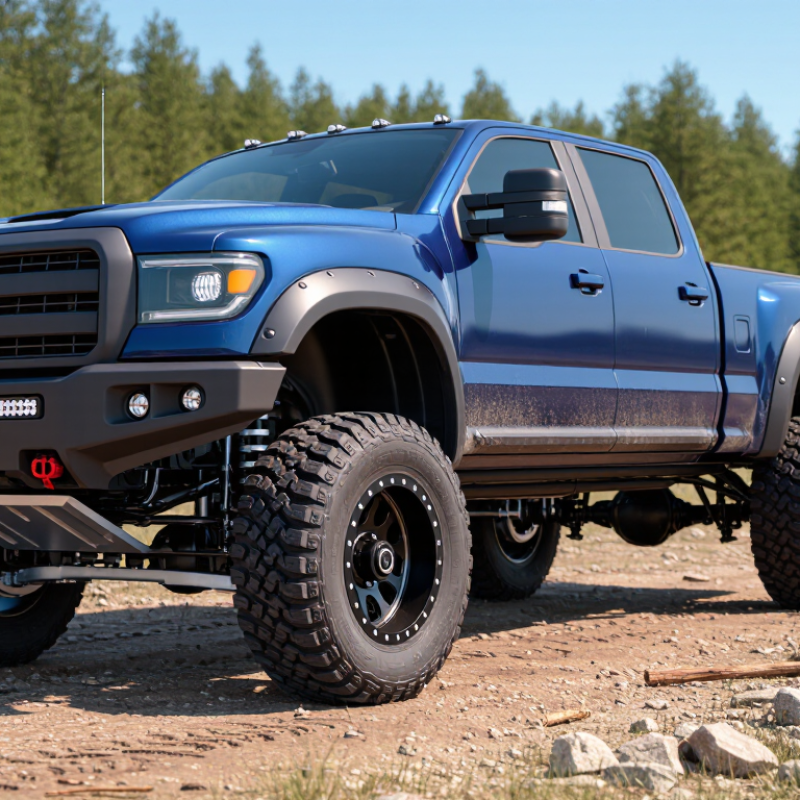
What Is a PSC Steering Box for Duramax Trucks?
A PSC steering box for Duramax trucks is a heavy-duty replacement for the factory steering gear. It connects the steering wheel to the linkage and turns driver input into wheel movement. Inside, hydraulic pressure assists the sector shaft, especially when the truck carries weight or uses larger tires.
A properly built box can offer firmer control and more consistent steering response. The difference appears during slow parking turns, rough trails, and highway corrections. The steering should feel controlled, not loose or nervous. It should also return toward center without excessive wandering.
Fitment still matters. The mounting pattern, pitman arm position, hose connections, and steering ratio must match the truck. A stronger box cannot correct worn tie rods, poor alignment, or a weak hydraulic pump. That mistake happens often. Inspecting the entire system is wiser than replacing one part blindly.
Installation requires careful bleeding and checking for leaks. Air trapped in the hydraulic lines can create noise or uneven assistance. The fluid should remain clean, and the belt must maintain proper tension. A professional technician can measure steering play before and after installation. Those measurements provide better evidence than relying only on a short test drive.
How Duramax Steering Demands Affect Steering Box Performance
A Duramax places unusual demands on its steering system. The diesel engine adds front-end weight. Towing adds constant load through the frame and suspension. Larger tires increase steering resistance, especially at low speed.
Those forces reach the steering box every time the truck turns. Heat builds during slow maneuvers. Hydraulic pressure rises near full lock. Over time, internal wear may create play, vague tracking, or delayed response. A heavy-duty steering box uses stronger internal components and supports more consistent hydraulic control. The driver may notice firmer input beside a trailer or while guiding the truck across uneven ground.
I have seen steering feel improve after replacing a worn box, but the box was not always the only problem. Incorrect alignment, loose linkage, weak pump output, or contaminated fluid can produce similar symptoms. That detail matters. A replacement should match the truck’s tire size, suspension changes, and towing use. Inspect the pitman arm, tie-rod ends, hoses, and mounting bolts before installation. Then bleed the system carefully and check for leaks.
A stronger box cannot repair neglected maintenance. It can, however, provide a more stable foundation for a demanding Duramax steering system. Feedback should remain controlled, not artificially heavy. Small differences matter. The best result comes from matching the steering box to the truck’s real working conditions, not just its engine output.
Key Benefits of Upgrading to a PSC Steering Box
Why Choose a PSC Steering Box for Duramax?
Key Benefits of Upgrading to a PSC Steering Box
A PSC steering box can make a Duramax feel more controlled, especially with larger tires, added weight, or frequent towing. The upgrade improves steering response by providing stronger hydraulic assistance and more consistent internal control. On a heavy-duty truck, that difference appears at low speed, where stock steering can feel slow or vague. Parking becomes easier. Trailer corrections require less effort.
From hands-on repair experience, the biggest benefit is confidence over rough ground. A well-matched steering box helps reduce wandering when the front axle follows ruts or uneven pavement. It can also limit excessive steering effort after suspension changes. However, the box cannot fix every problem. Worn ball joints, loose track bars, poor alignment, or weak hydraulic components still need attention.
Installation quality matters. The steering box should match the truck’s hydraulic system, mounting points, and intended use. A professional inspection can reveal pressure issues before they damage new parts. After installation, careful bleeding and a precise alignment are essential. Small leaks should never be ignored.
There is a trade-off.
Some drivers may notice more steering feedback through the wheel. That can feel unusual at first. In my view, it is often a useful reminder of what the front tires are doing, though not everyone will prefer it. A properly selected upgrade should improve control without making daily driving tiring.
How to Choose the Right PSC Steering Box for Your Duramax
Choosing the right PSC steering box for your Duramax starts with understanding how you drive it. A stock truck may need only a direct replacement. However, larger tires, heavier wheels, suspension changes, or frequent towing can increase steering load. Measure your tire size and review your truck’s actual weight before selecting an upgraded unit.
Check the steering box’s compatibility with your Duramax year, chassis, and steering linkage. Mounting holes, input shaft design, pitman arm position, and hydraulic fittings must match. Do not rely on appearance alone. Confirm the required steering ratio and pressure range with the manufacturer’s technical data. A faster ratio may feel responsive, but it can also make a heavy truck less comfortable on rough roads.
Think about hydraulic support, too. An upgraded box may expose weaknesses in an aging pump, loose belt, or restricted hose. Inspect those parts before installation. I have found that many steering complaints begin with poor maintenance, not the box itself. That is easy to overlook. After fitting the unit, bleed the system carefully and check for leaks, free play, and uneven return. A short road test should include parking maneuvers, highway tracking, and towing conditions when safe. Recheck every connection after the first drive, because small settling changes can affect steering feel.
Why Choose a PSC Steering Box for Duramax? - How to Choose the Right PSC Steering Box for Your Duramax
| Selection Dimension | Duramax Application or Condition | What to Verify | Recommended Steering Box Characteristics | Why It Matters |
|---|---|---|---|---|
| Vehicle Generation | 2001–2007 heavy-duty pickups using the GMT800 platform | Model year, engine code, cab configuration, drivetrain, and original steering gear | A steering box specifically listed for the GMT800 application | Mounting points, input-shaft details, sector-shaft geometry, and hydraulic connections can differ between generations. |
| Vehicle Generation | 2007.5–2016 heavy-duty pickups using GMT900-based applications | Exact model year and whether the truck is 2WD or 4WD | A direct-fit box matched to the correct GMT900 configuration | Two trucks with the same Duramax engine may use different steering components because of chassis and drivetrain differences. |
| Vehicle Generation | 2017–2019 heavy-duty pickups using the K2XX platform | Model year, chassis series, steering input connection, and pitman-arm compatibility | A box designed for the K2XX steering system rather than an earlier-generation replacement | Later chassis designs may use different mounting and linkage dimensions from earlier Duramax trucks. |
| Vehicle Generation | 2020 and newer heavy-duty pickups using the T1XX platform | Exact model year and original-equipment steering-box configuration | A unit confirmed for the T1XX platform and the truck’s factory steering system | Newer platform components should not be selected solely by engine displacement or Duramax engine code. |
| Drivetrain | 4WD truck | 4WD status, front-axle configuration, pitman-arm position, and frame mounting | A 4WD-specific steering box when the application listing requires it | 4WD steering linkage and clearance requirements can differ from 2WD systems. |
| Drivetrain | 2WD truck | 2WD status and original steering gear part number | A 2WD-specific steering box with matching linkage geometry | A 2WD box may not provide the correct pitman-arm travel, mounting position, or clearance for a 4WD chassis. |
| Steering System Type | Factory hydraulic recirculating-ball steering | Hydraulic hose routing, input shaft, sector shaft, and mounting pattern | A hydraulic steering box with direct-fit connections or confirmed adapter compatibility | Duramax heavy-duty pickups commonly use hydraulic steering gear; the replacement must match the existing hydraulic system. |
| Steering Feel | Loose steering, excessive on-center play, or wandering | Steering-box adjustment, tie-rod ends, ball joints, idler or linkage components, and wheel alignment | A properly calibrated box with minimal internal free play, installed after other worn parts are checked | A steering box cannot correct looseness caused by worn linkage, suspension joints, wheel bearings, or incorrect alignment. |
| Tire and Wheel Load | Oversized tires, heavy wheels, or increased steering load | Tire diameter, tread width, wheel offset, vehicle weight, and intended use | A heavy-duty steering box compatible with the truck’s hydraulic pump and intended load | Larger or heavier tire assemblies can increase steering effort and place more load on the steering gear and pump. |
| Hydraulic Compatibility | Factory power-steering pump retained | Fluid specification, hose fittings, pressure requirements, return-line routing, and pump condition | A box designed to operate within the factory hydraulic system’s pressure and flow range | Changing the steering box without confirming hydraulic compatibility may cause poor assist, noise, overheating, or component damage. |
| Hydraulic Fluid | Fluid replacement or system flushing during installation | The vehicle service manual and the steering-system manufacturer’s approved fluid specification | Use only the specified power-steering fluid; do not assume all hydraulic fluids are interchangeable | Incorrect fluid can damage seals, alter steering response, and shorten the service life of the pump and steering box. |
| Input Shaft | Connection to the steering intermediate shaft | Spline or coupling style, shaft diameter, input-shaft length, and clearance | An input shaft matching the original steering column connection without forced modification | An incorrect input connection can prevent proper installation or create unsafe steering-column engagement. |
| Sector Shaft | Connection to the pitman arm | Sector-shaft spline count, diameter, indexing, seal location, and pitman-arm fit | A sector shaft compatible with the factory or approved replacement pitman arm | Incorrect sector-shaft dimensions can cause installation failure, improper steering travel, or interference. |
| Steering Ratio | Daily driving, towing, off-road use, or performance-oriented handling | Desired steering response, steering-wheel effort, tire size, and suspension setup | Choose the ratio specified for the intended use while preserving adequate turning control | A quicker ratio can reduce steering-wheel movement but may increase sensitivity and steering effort. |
| Pump Matching | Upgraded or original power-steering pump | Pump flow, pressure, pulley speed, reservoir condition, and hose compatibility | A steering box matched to the pump output; avoid assuming that higher pressure is always better | Excessive pressure or insufficient flow can cause heat, noise, seal wear, or inconsistent steering assist. |
| Installation Condition | Replacement after steering-box failure or leakage | Frame cracks, loose mounting bolts, damaged hoses, contaminated fluid, and linkage wear | Install only after correcting related faults and verifying the frame and mounting hardware | A damaged mount or contaminated hydraulic system can quickly compromise a replacement steering box. |
| Bleeding Procedure | After opening the hydraulic system | Air in the reservoir, foaming fluid, pump noise, and steering response from lock to lock | Follow the vehicle-specific bleeding procedure and avoid holding the wheel at full lock | Trapped air can cause aeration, noisy operation, inconsistent assist, and premature pump wear. |
| Alignment | After steering-box replacement | Steering-wheel center, toe, caster, camber, and straight-line tracking | Complete a professional alignment after all steering components are secured | Changing steering components can affect steering-wheel position and handling even when the replacement box is correctly installed. |
| Best Overall Choice | Truck used for towing, hauling, highway driving, or larger tires | Exact vehicle fitment, hydraulic compatibility, steering ratio, and installation requirements | A vehicle-specific PSC steering box with confirmed direct-fit dimensions and matched hydraulic requirements | The correct application-specific box can improve steering control and durability without creating compatibility problems. |
Always verify the vehicle identification number, model year, drivetrain, original steering-box configuration, hydraulic specifications, and manufacturer installation instructions before ordering or installing a replacement steering box.
Installation, Maintenance, and Compatibility Considerations
Why Choose a Performance Steering Box for Duramax?
Installation, Maintenance, and Compatibility Considerations
A performance steering box can improve control in a heavy diesel truck, but installation requires careful preparation. Confirm the mounting pattern, input shaft size, pitman arm spline, steering ratio, and hydraulic port locations before ordering. Model years may look similar while using different components. Check the service manual and compare measurements, not assumptions. That small step can prevent expensive rework.
During installation, support the truck securely and keep the steering wheel centered. Inspect the rag joint, pitman arm, tie-rod ends, and frame around the mounting bolts. Worn parts can hide the real problem.
Use the specified torque values, and avoid forcing the steering gear against its internal stops. Flush contaminated fluid before connecting the lines. Then bleed the system slowly, turning the wheel without holding it at full lock. Air may cause noise and uneven assistance.
Maintenance is simple, but often neglected. Inspect fluid color, hose connections, mounting bolts, and steering play during regular service. A faint leak deserves attention early. After installation, check alignment and road feel at low speed first.
Compatibility also depends on tire size, suspension changes, hydroboost equipment, and hydraulic pump condition. A stronger steering box cannot correct a weak pump or damaged linkage. I used to focus mainly on steering ratio, but that was incomplete. System balance matters more than one upgraded component.
Related Posts
-
Why Upgrading to PSC Steering Box Duramax Enhances Your Vehicle's Performance
-
10 Essential Tips for Maintaining Your Steering Shaft Knuckle?
-

10 Essential Tips for Sourcing Non Automotive Parts Efficiently?
-
China Best Electric Motor House Suppliers for Global Buyers?
-
Understanding Motor Housing: Key Factors to Consider for Optimal Performance and Longevity
-
7 Tips for Choosing the Right Electric Motor House?