China Top 10 Steering Column Parts Suppliers?
Choosing among China’s top 10 steering column parts suppliers requires more than comparing product catalogs. A reliable assessment should examine manufacturing experience, engineering capability, quality controls, and customer support. This guide explores suppliers producing splined shafts, tilt mechanisms, bearings, steering locks, couplings, and related components for passenger vehicles, commercial fleets, and industrial applications.
Fit matters. So does traceability.
Strong suppliers usually provide clear drawings, material specifications, dimensional reports, and sample-testing procedures. Certifications such as IATF 16949 and ISO 9001 can support credibility, but certificates alone cannot prove consistent performance. Factory audits, production records, inspection equipment, and communication quality offer more practical evidence. Buyers should also check whether suppliers understand load testing, corrosion resistance, fatigue risks, and vehicle-specific tolerances. Small errors in a steering column part can create noise, looseness, or difficult installation. Those details deserve attention.
This overview uses publicly available company information, manufacturing capabilities, product coverage, and export experience. However, supplier rankings can change, and public information is not always complete. Some companies may present stronger marketing than technical evidence. That is worth questioning. We therefore encourage readers to request current samples, audit reports, compliance documents, and reference projects before placing orders. Pricing may attract attention, but stable quality, responsive engineering, packaging protection, and dependable delivery often determine the real purchasing value. The goal is not to declare one universal winner, but to help buyers compare China-based steering column parts suppliers with clearer expectations and better judgment.
Definition and Role of Steering Column Parts
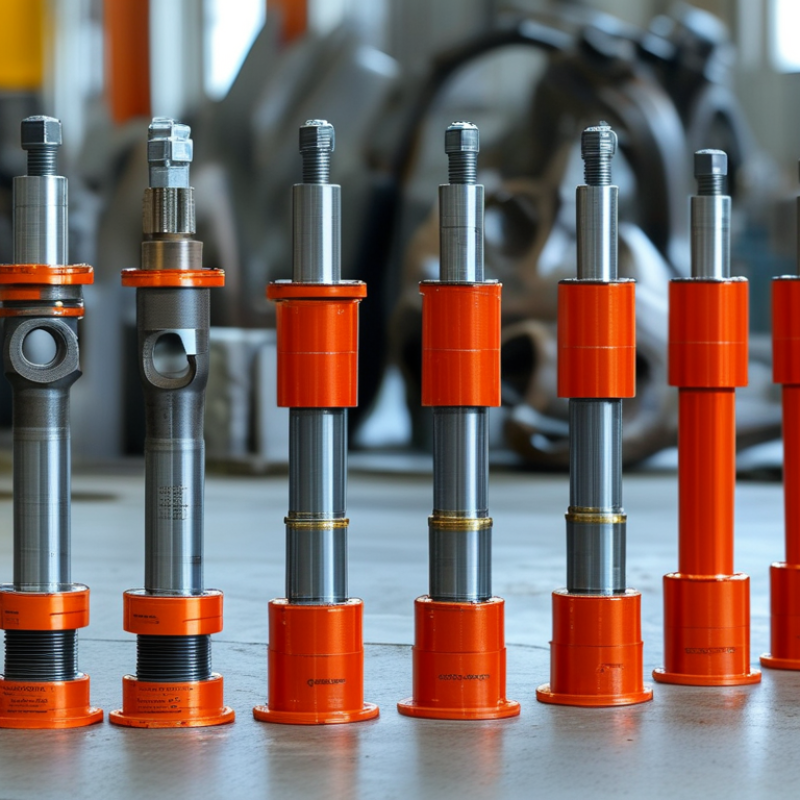
Steering column parts are the mechanical and electrical components connecting the steering wheel to the steering gear. They transfer driver input while supporting safe, controlled vehicle movement. Common parts include the steering shaft, column housing, bearings, universal joints, adjustment levers, and collapsible sections. Some modern columns also contain wiring, sensors, and electric-assistance interfaces.
The column housing keeps moving parts aligned. Bearings reduce friction and unwanted steering play. Universal joints handle changes in shaft angle between the cabin and steering gear. A collapsible mechanism absorbs energy during a severe frontal impact. It should also maintain stiffness during normal driving. Adjustable sections improve driver comfort without weakening the assembly.
During supplier inspections in China, I check shaft runout, joint smoothness, weld quality, and corrosion protection. I also compare dimensional reports with physical samples. A polished finish can mislead. Internal tolerances matter more. Noise testing is useful, but it cannot replace durability testing. Some suppliers provide complete reports, while others need closer technical guidance. That difference can affect long-term reliability. I have seen small bearing defects create noticeable steering vibration after repeated cycles. Material certificates, traceable batches, and controlled assembly processes deserve careful review. Human judgment still matters, and inspection plans are never perfect.
| No. | Supplier Category | Main Steering Column Part | Definition and Role | Common Materials | Typical Processes | Key Quality Focus |
|---|---|---|---|---|---|---|
| 1 | Steering Shaft Suppliers | Upper and lower steering shafts | Transmit driver steering input from the steering wheel to the steering gear while maintaining accurate torque transfer. | High-strength steel, forged steel, aluminum alloys | Forging, machining, spline forming, heat treatment | Torsional strength, runout, spline accuracy |
| 2 | Intermediate Shaft Suppliers | Collapsible intermediate shaft | Connects the steering column with the steering rack or gearbox and accommodates packaging, angular movement, and crash-energy requirements. | Steel tubes, solid steel shafts, aluminum components | Tube forming, welding, broaching, assembly | Collapse load, joint play, vibration performance |
| 3 | Universal Joint Suppliers | Steering universal joint | Allows torque transmission between shafts at changing angles and supports flexible vehicle layout. | Alloy steel, bearing steel, corrosion-resistant coatings | Cold forming, precision machining, bearing assembly | Backlash, articulation angle, fatigue life |
| 4 | Collapsible Column Suppliers | Energy-absorbing steering column | Designed to deform or collapse in a controlled manner during a frontal collision to reduce steering-wheel intrusion and occupant injury risk. | High-strength steel, stamped steel, engineered polymers | Stamping, riveting, controlled-collapse assembly | Collapse characteristics, impact durability, dimensional stability |
| 5 | Tilt Mechanism Suppliers | Manual or powered tilt mechanism | Adjusts the steering wheel angle to improve driver comfort, visibility, and ergonomic positioning. | Stamped steel, die-cast aluminum, reinforced polymers | Stamping, die casting, gear machining, assembly | Locking force, adjustment smoothness, wear resistance |
| 6 | Telescopic Mechanism Suppliers | Fore-and-aft adjustment assembly | Moves the steering wheel toward or away from the driver and supports precise steering-wheel positioning. | Steel rails, aluminum housings, engineering plastics | Extrusion, machining, stamping, sliding-fit assembly | Adjustment range, sliding force, structural rigidity |
| 7 | Steering Column Housing Suppliers | Column jacket and support housing | Supports the shaft, adjustment mechanisms, wiring, and steering-wheel interfaces while maintaining assembly alignment. | Stamped steel, die-cast aluminum, glass-fiber polymers | Deep drawing, die casting, injection molding | Mounting accuracy, noise control, corrosion resistance |
| 8 | Bearing and Bushing Suppliers | Column bearings and guide bushings | Guide and support rotating or sliding shaft sections while minimizing friction, play, and steering noise. | Bearing steel, sintered metal, PTFE-lined and nylon materials | Grinding, sintering, molding, surface treatment | Friction, radial clearance, durability, noise level |
| 9 | Steering Lock Suppliers | Mechanical or electronic steering lock | Prevents unauthorized steering-wheel rotation when the vehicle is parked and may integrate with the vehicle access system. | Hardened steel, zinc alloy, engineering polymers, electronic components | Precision machining, die casting, actuator assembly | Locking strength, cycle life, tamper resistance |
| 10 | Steering Column Electrical Module Suppliers | Clockspring and steering-column switch module | Maintains electrical connections to the steering wheel during rotation and supports functions such as the horn, airbag, and steering-wheel controls. | Copper conductors, polyamide housings, elastomers, electronic components | Injection molding, circuit assembly, automated testing | Electrical continuity, rotational life, airbag-circuit reliability |
| Supplier evaluation reference: Typical procurement criteria include IATF 16949 automotive quality systems, ISO 9001 certification, traceability, process capability, fatigue validation, corrosion testing, dimensional inspection, and compliance with applicable vehicle safety regulations. | ||||||
Key Criteria for Evaluating Chinese Steering Column Suppliers
Selecting Chinese steering column parts suppliers requires more than comparing quotations. Review engineering evidence, including drawings, material grades, tolerance tables, and change-control records. Ask how each supplier validates collapse zones, spline accuracy, bearing fit, and torque performance. A reliable team should provide test reports linked to part numbers and production dates. Engineers who explain failure modes often reveal more than polished presentations.
Factory capability deserves direct verification. Check machining accuracy, heat-treatment controls, assembly cleanliness, and final inspection methods. Look for calibrated gauges beside the production line, not only in a laboratory. Traceability should connect raw materials, operators, inspection results, and shipment batches. Review quality certifications and confirm their actual scope. Audit findings matter more than certificate logos. A small weakness in document control can create costly confusion later.
Request samples from normal production, not specially prepared units. Test steering effort, backlash, vibration, corrosion resistance, and repeated loading under realistic conditions. Evaluate packaging, delivery records, engineering response times, and spare-part support. Price is only one variable. The cheapest offer may carry hidden rework costs. I would also examine financial stability and capacity during peak demand. No evaluation is perfect. Supplier claims can be incomplete, and even experienced buyers may overlook a minor tolerance issue that later affects vehicle feel.
China Top 10 Steering Column Parts Suppliers: Key Evaluation Criteria
The chart presents a practical 100-point evaluation framework for comparing Chinese steering column parts suppliers. Safety and quality systems receive the highest weighting because steering columns are safety-critical components requiring strict validation, traceability, process control, and reliable OEM or aftermarket delivery performance.
China’s Top 10 Steering Column Parts Suppliers
China’s top ten steering column parts suppliers are best judged by evidence, not catalogue size. In practical sourcing work, buyers often compare shaft assemblies, universal joints, housings, bearings, and collapsible mechanisms. Strong suppliers show stable machining accuracy, controlled welding, and repeatable assembly results. They should explain material grades, heat treatment, corrosion protection, and tolerance management clearly. This matters when a column must feel precise after thousands of steering cycles.
A reliable supplier normally supports IATF 16949-based quality systems, APQP planning, PPAP files, and full batch traceability. Factory visits should include incoming inspection, torque testing, fatigue testing, and end-of-line checks. Ask to see calibration records, not only polished samples. Sample approval is useful, but production consistency matters more. Some suppliers offer engineering changes quickly, especially for splines, brackets, and mounting interfaces. That flexibility can reduce tooling delays. It can also create risk when approvals are rushed.
The best top-ten candidates communicate limitations before signing contracts. They discuss capacity, secondary processing, tooling ownership, inspection frequency, and realistic lead times. Cost remains important, but a low quotation may hide extra sorting, packaging, or rework. I would request three production lots before making a long-term decision. Even then, no supplier is flawless. Minor deviations may reveal weak process controls. Careful audits, measurable specifications, and regular corrective-action reviews build a safer purchasing relationship.
Product Categories and Manufacturing Capabilities
China’s steering column parts suppliers serve a broad product range. Common categories include collapsible columns, intermediate shafts, universal joints, bearings, seals, tilt mechanisms, and telescopic adjustment assemblies. Some factories also produce sensor housings and electric power steering interfaces. OICA recorded 93.5 million motor vehicles produced worldwide in 2023. That volume requires stable machining, not only low prices.
Manufacturing capability separates serious suppliers from trading companies. Experienced plants combine tube forming, precision turning, forging, heat treatment, welding, and automated assembly. They should verify torque, collapse force, backlash, corrosion resistance, and dimensional accuracy at the end of the line. The International Energy Agency reported nearly 14 million electric car sales in 2023, representing about 18% of global car sales. This shift increases demand for lighter columns, tighter tolerances, and reliable electronic integration. Traceability matters.
A practical supplier audit should review process control plans, material certificates, gauge calibration, and sample retention. ISO 26262 awareness is useful for electronically connected steering components, although certification alone proves little. Some supplier catalogs still describe “full capability” without showing test data or production capacity. That is a warning. Factory visits can reveal manual rework, weak storage protection, or inconsistent welding. These details are easy to miss, yet they often affect field durability. I would also compare annual capacity with actual machine counts, because impressive numbers are sometimes only estimates.
How to Select the Right Steering Column Parts Supplier
China Top 10 Steering Column Parts Suppliers?
How to Select the Right Steering Column Parts Supplier
Selecting a steering column parts supplier requires more than comparing quotations. Steering components influence steering feel, alignment, durability, and driver safety. Ask for evidence. Request material certificates, dimensional reports, process controls, and traceability records for each batch.
A capable supplier should understand shafts, brackets, joints, bearings, and collapsible mechanisms. Their engineers should review drawings, tolerances, surface treatment, and assembly conditions with you. Request production samples before approving regular orders. Test the fit, rotation, noise, and load performance in realistic conditions. A clean sample does not guarantee stable mass production.
Factory experience matters. Check inspection equipment, operator training, capacity, and corrective-action records. Video calls can help, but an on-site audit reveals more. Look at storage areas, labeling, packaging, and unfinished work. Small details often predict larger problems. Price is not proof.
Communication deserves careful attention. A reliable supplier answers technical questions clearly and reports problems early. Confirm lead times, minimum order quantities, packaging requirements, warranty terms, and change-control procedures in writing. During one supplier review, I focused too heavily on machining quality and overlooked weak packaging. Several parts arrived with surface damage. That mistake changed my checklist.
Choose a supplier that can support testing, engineering changes, and consistent delivery. The lowest quote may become expensive after rework, delays, or repeated inspection. A practical pilot order is usually safer than a large commitment. Keep records, measure results, and reassess the supplier after every production cycle.
Related Posts
-
China Top 10 Steering Column Components for Global Buyers?
-
7 Tips for Sourcing Nova Steering Column Parts?
-
Best Steering Column Parts for Global Buyers to Consider?
-
Why Choose Danfoss Steering Column for Your Equipment Needs?
-
Top Steering Column Parts You Need to Know in 2026?
-
Exploring the Advantages of PSC Steering Columns: Performance, Safety, and Innovation