How to Choose the Right Commercial Door Latches for Your Business Needs?
Choosing the right commercial door latches for your business can be challenging. The options are numerous, and each latch has unique features. Understanding your specific needs is critical.
Commercial door latches play a vital role in securing your premises. They ensure safety while allowing easy access. However, not all latches are created equal. Some may look appealing but may lack the security features you need. It’s essential to evaluate your environment before making a decision.
Consider the materials and design of the latches. Some may resist corrosion better than others. Reflect on the frequency of use as well. A high-traffic area may require more durable options. In the end, the best latch balances functionality, security, and aesthetics tailored to your business's requirements.
Understanding Different Types of Commercial Door Latches Available
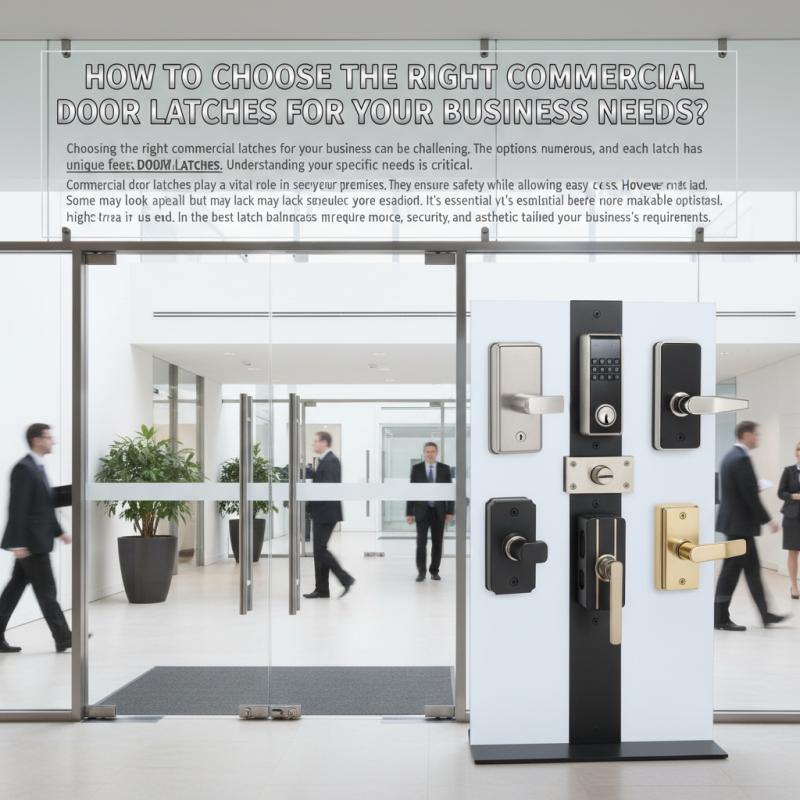
When selecting commercial door latches, it’s crucial to understand the different types available. Deadbolts offer strong security. They lock from the inside and provide excellent resistance to forced entry. However, they can be cumbersome, requiring a key for exit. This can slow down movement in busy environments.
On the other hand, hook latches are simpler and quicker to use. These latches automatically engage when the door closes, making them ideal for high-traffic areas. Yet, they may not provide the same level of security. Employees might forget to check if the door is securely latched. This can lead to vulnerabilities.
Another option is slide latches, which are versatile and easy to install. They can be adjusted to fit various door sizes. However, they may require regular maintenance to function properly. Over time, they can become loose, leading to potential security risks. Each type of latch has pros and cons, and careful consideration is necessary.
Types of Commercial Door Latches and Their Use Cases
This chart shows the distribution of different types of commercial door latches based on their common use cases. Understanding these latches can help businesses choose the right option for their security needs.
Evaluating Security Needs for Your Business Environment
When evaluating security needs for your business environment, consider the type of facility you manage. Are you operating a retail store, office, or warehouse? Each space has different vulnerabilities. According to a report from the National Association of Shoplifting Prevention, about 1 in 11 customers shoplift. This statistic stresses the importance of secure door latches in retail spaces.
The right commercial door latches can deter unauthorized access. Many businesses overlook the weak points in their security systems. A study by the Security Industry Association found that 75% of burglaries involve forced entry. Reliable door latches can help reduce this risk. Inspect the materials used in the latches. High-quality components can withstand tampering better than lower-end options.
Lockdowns and accessibility are also critical to consider. A report from the Security Research Institute notes that 85% of companies have experienced security breaches. Improperly secured doors can be a significant factor. Keep in mind, no system is foolproof. Regular assessments and updates to your locking mechanisms are essential. This reflection will help maintain a safe environment for employees and customers alike.
Assessing Durability and Weather Resistance Features
When selecting commercial door latches, durability and weather resistance are key factors. A latch must withstand daily use and environmental challenges. Think about your location. Humidity, rain, and extreme temperatures will affect the latch’s lifespan. Choosing materials that resist rust and corrosion is crucial. Look for latches made of stainless steel or high-quality polymers.
Tip: Test the latch's operation regularly. Ensure smooth function despite weather changes. Replace any latches showing signs of wear or damage before they fail.
Another aspect is the design. A latch should complement the door style and provide security. Consider outdoor latches that feature seals or covers to protect against elements. Look for models designed specifically for your climate. It’s easy to overlook how weather impacts latches. Unnoticed, these issues can lead to costly repairs down the line.
Tip: Regular inspections of your door and latch can prevent issues. Don’t wait for problems to arise. Staying proactive can save time and money. Keep an eye out for rust or misalignment.
Compatibility with Existing Door Hardware and Systems
When selecting commercial door latches, compatibility with existing door hardware is crucial. An incompatible latch can lead to security vulnerabilities and operational hassles. Measure the current hardware carefully. Check the dimensions and ensure any new latch fits seamlessly. It’s frustrating to find out that your chosen latch doesn’t align. Take your time during this process.
Tips: Look for adjustable latches. They can adapt to slight variations in door measurements. This flexibility can save you time and effort. Don’t forget about the finishing. Color and material should match the door's aesthetic and hardware.
Consider the type of existing locks as well. If you have electronic access systems, ensure the latch works with them. A mismatch may result in malfunction. This compatibility is not just a technical requirement; it also affects how smoothly operations run daily.
Tips: Always test the latch before full installation. Ensure it operates smoothly. A thorough check can prevent future headaches. It's better to address concerns early.
Cost Considerations and Budgeting for Commercial Door Latches
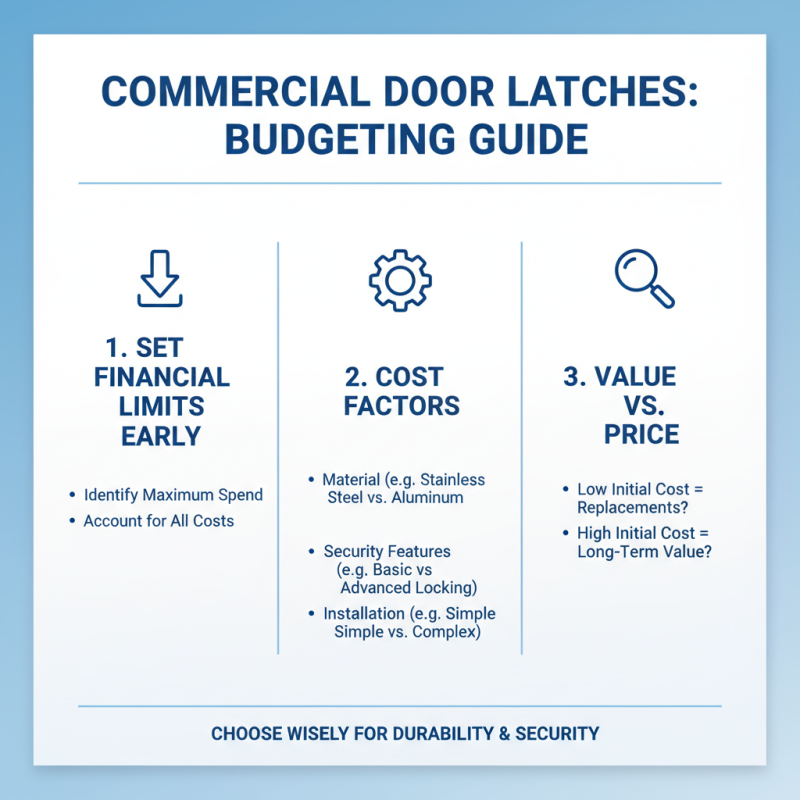
When selecting commercial door latches, budget is crucial. Identify your financial limits early. Costs can vary based on material, security features, and installation requirements. Some latches may seem affordable but require frequent replacements. Others may offer long-term value but at a higher initial cost.
**Tips:** Always consider maintenance costs. A latch that breaks often will drain your resources. Look for durable materials like stainless steel. It often offers better resistance to wear and tear.
Be mindful of hidden costs. Installation fees can add up. Assess whether you need professional help. DIY might save money initially but can lead to mistakes. These mistakes can undermine your investment. Choose wisely and plan accordingly.
Related Posts
-
The Ultimate Guide to Choosing the Right Commercial Door Latches for Maximum Security
-
The 10 Best Commercial Door Latches You Need to Know?
-

Maximize Your Ride: The Ultimate Guide to Non-OEM Car Parts for Every Budget
-
Top Types of GM Column Shifter Springs What You Need to Know?
-

Unlocking Safety: The Essential Guide to Worldwide Door Latch Innovations
-
What is the part of a door that latches and how does it work?